



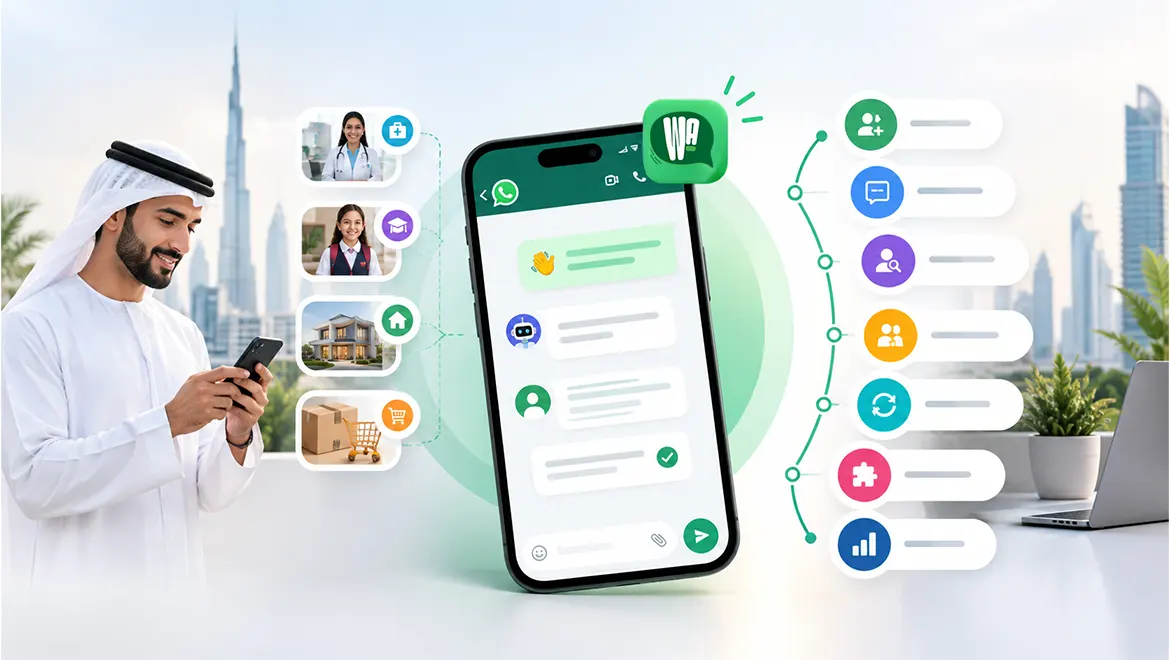
Searches for the ‘best WhatsApp Business API software’ often produce lists of brands without explaining which product is best for a particular workflow. A clinic, school, real-estate agency and e-commerce retailer may all use WhatsApp differently.
Instead of relying on a generic ranking, compare products against the journey your business actually needs: acquisition, automated response, qualification, human handover, follow-up, integration and reporting.
This feature checklist helps UAE businesses conduct that comparison consistently without treating every feature as equally important.
Official onboarding and asset ownership
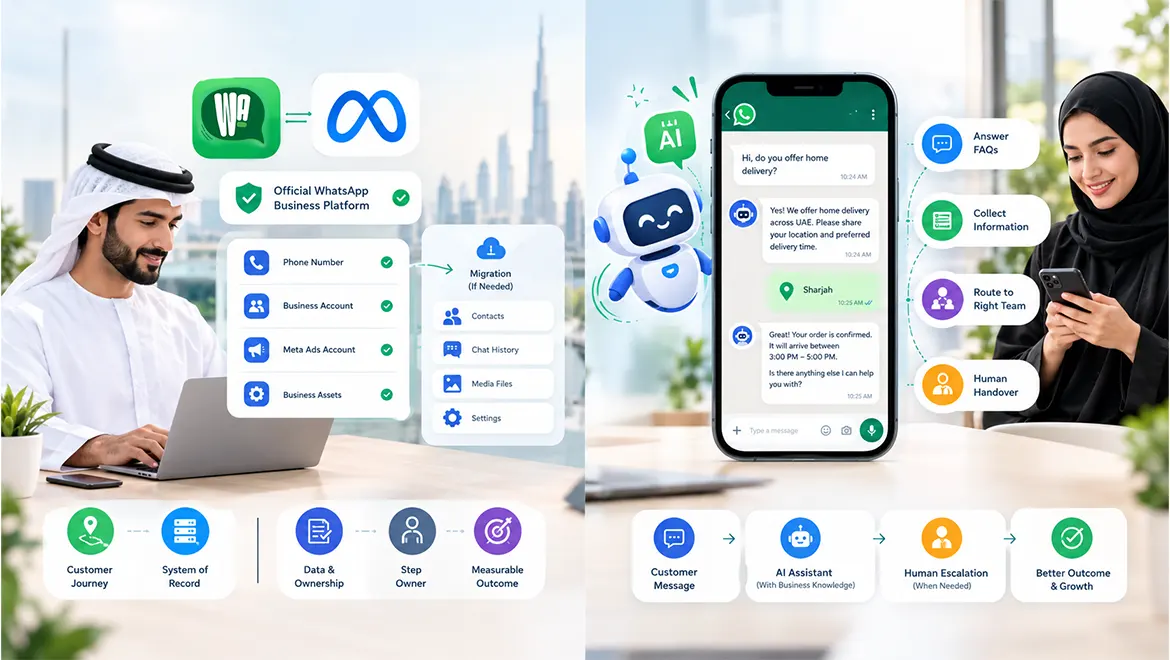
Confirm the onboarding model is based on the official WhatsApp Business Platform. The business should understand ownership of its number and Meta assets. For a growing UAE business, the decision should be based on the customer journey and the system of record rather than on which product has the longest feature list.
Ask how migration works if the provider changes. A good software choice should not create unnecessary dependence on one agency account. Document the data that must move, the owner of each step and the measurable outcome before implementation begins.
Automation and AI-assisted replies
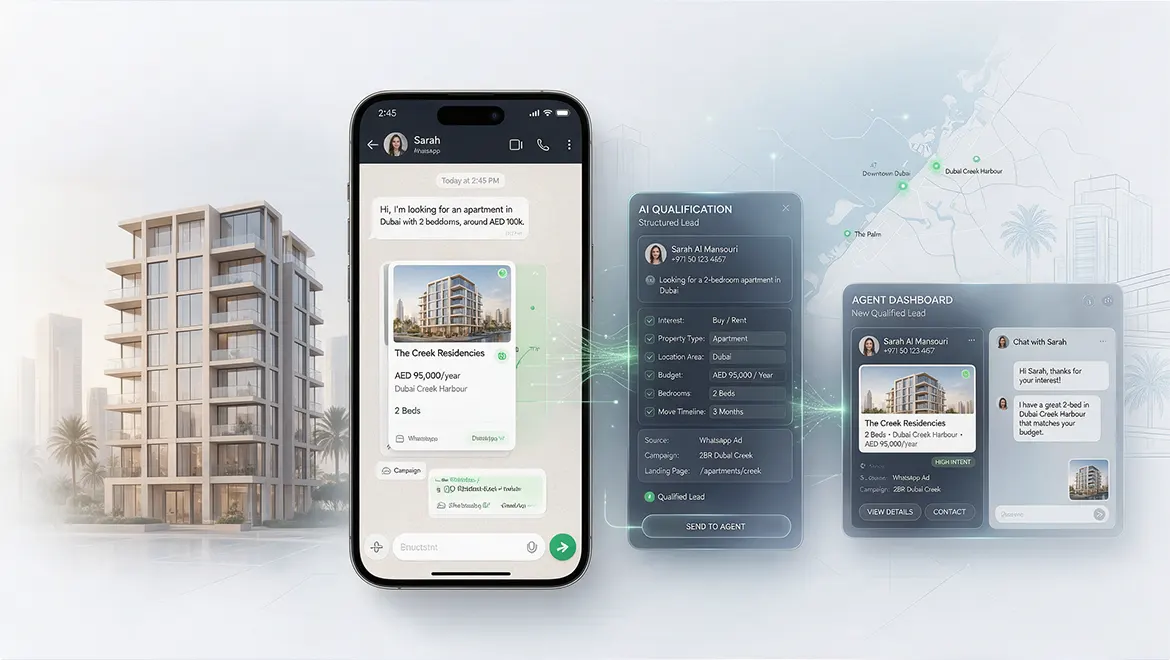
Look for workflows that answer repeatable questions, collect structured information and route customers. AI should use controlled business knowledge and have clear human escalation. For a growing UAE business, the decision should be based on the customer journey and the system of record rather than on which product has the longest feature list.
Do not evaluate AI by how conversational a demo sounds. Evaluate whether it gives accurate answers and improves the next business action. Document the data that must move, the owner of each step and the measurable outcome before implementation begins.
Multi-agent inbox and permissions
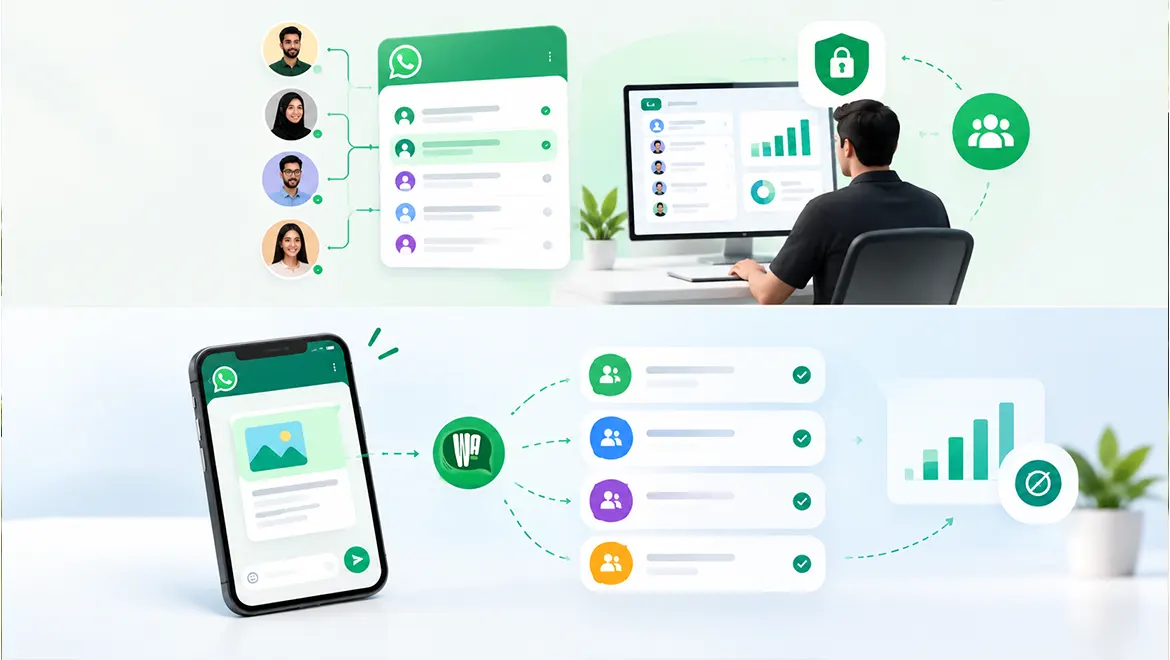
Teams need assignment, notes, status, roles and conversation ownership. Managers should see workload and response without sharing passwords. For a growing UAE business, the decision should be based on the customer journey and the system of record rather than on which product has the longest feature list.
Automation/human state should be obvious. Test how the system behaves when an agent is absent or a conversation changes team. Document the data that must move, the owner of each step and the measurable outcome before implementation begins.
Broadcast and template management
Compare segmentation, scheduling, template library, suppression and opt-out controls. The system should help staff send relevant campaigns rather than only provide a bulk-send button. For a growing UAE business, the decision should be based on the customer journey and the system of record rather than on which product has the longest feature list.
Review campaign reporting and reply routing. Check whether several departments can operate without messaging the same customer repeatedly. Document the data that must move, the owner of each step and the measurable outcome before implementation begins.
CRM, ERP, POS and other integrations
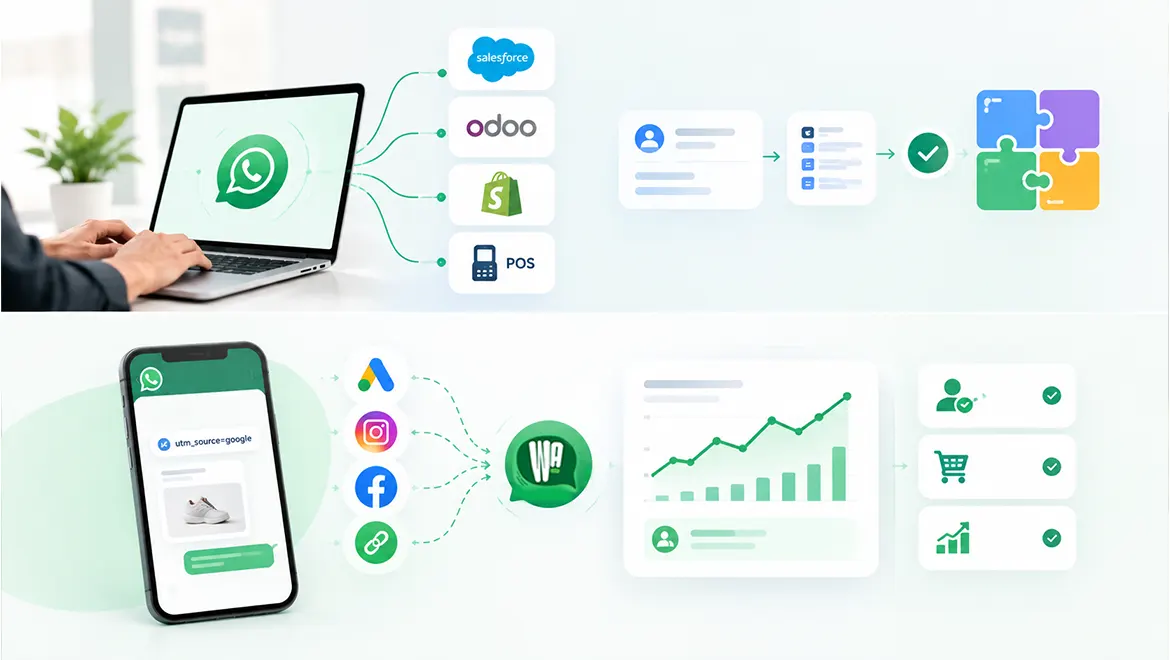
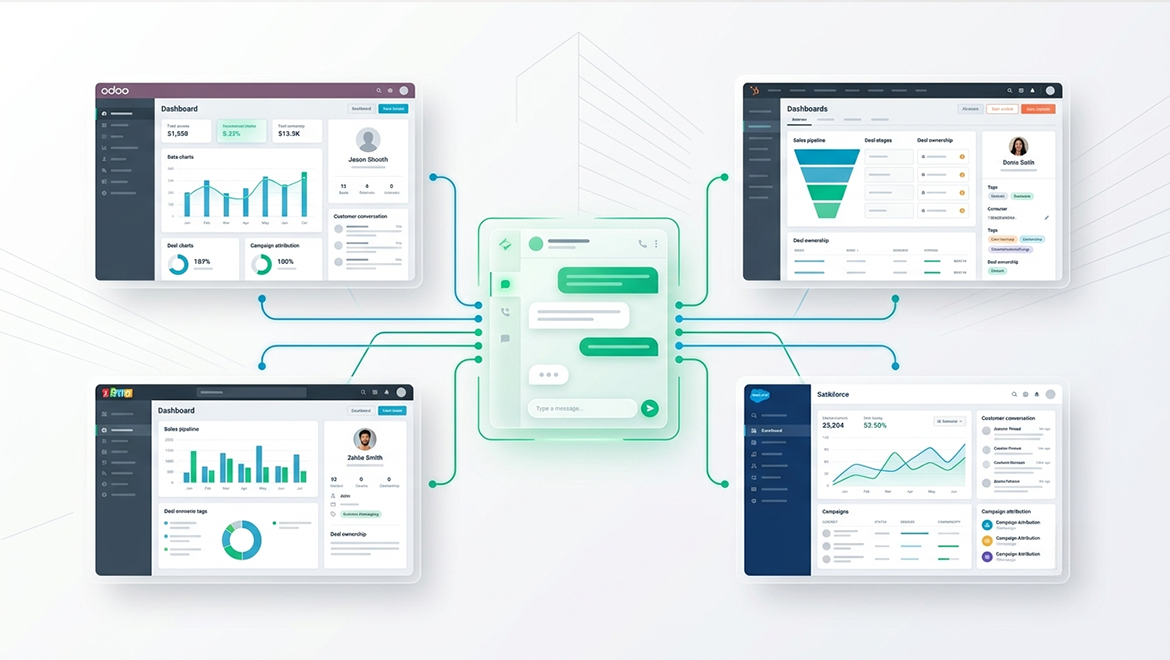
Ask which integrations are native and which require custom development. For each important system, test the actual records and actions you need. For a growing UAE business, the decision should be based on the customer journey and the system of record rather than on which product has the longest feature list.
Look for webhooks/API access and retry visibility. Integration logos alone do not prove workflow depth. Document the data that must move, the owner of each step and the measurable outcome before implementation begins.
Attribution and analytics
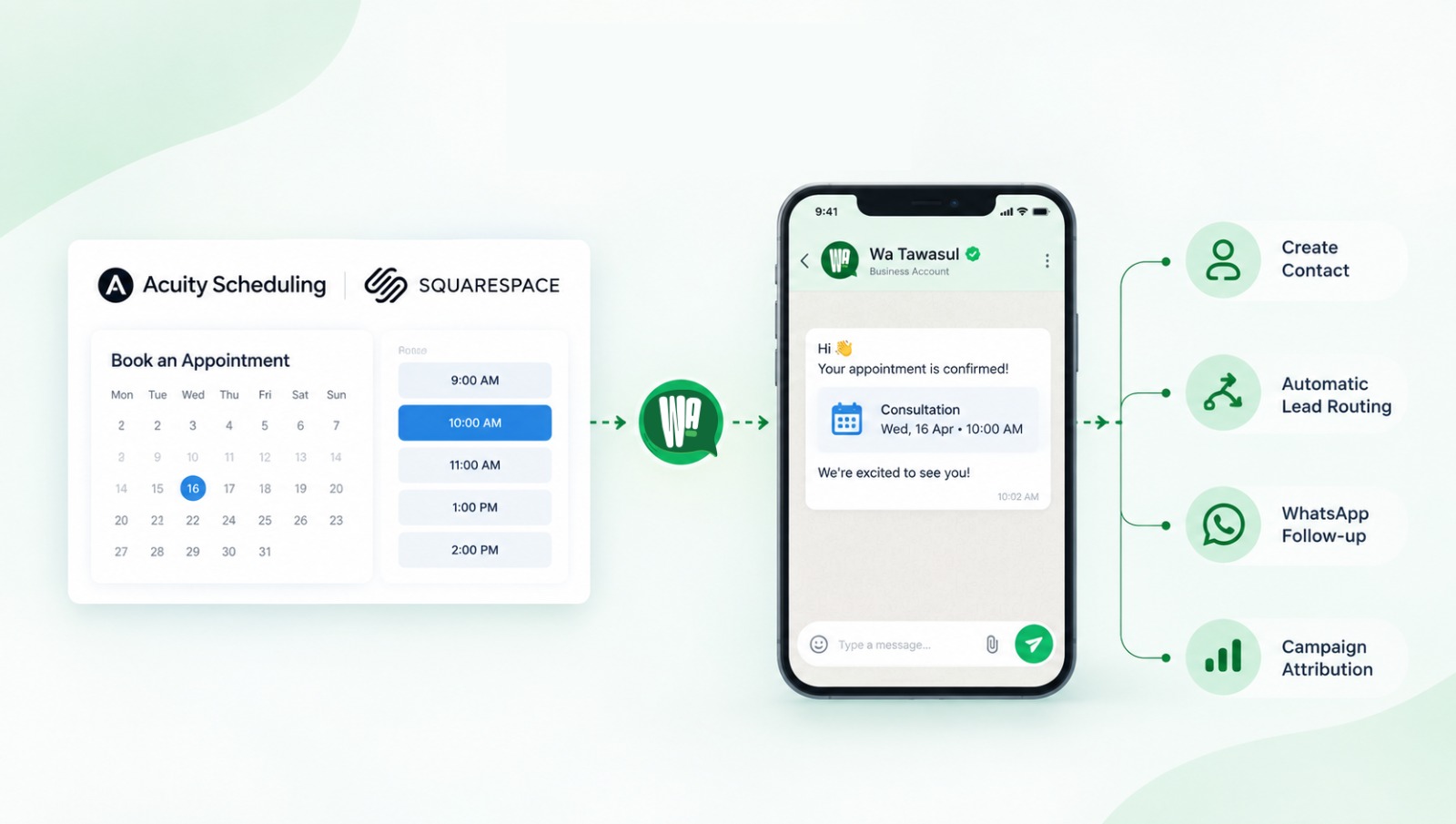
Preserve UTM values and ad identifiers when customers move from marketing into WhatsApp. Track qualified outcomes rather than only messages sent. For a growing UAE business, the decision should be based on the customer journey and the system of record rather than on which product has the longest feature list.
Support cross-domain measurement when the business uses a website and separate application. Reporting should help answer which source created valuable customers. Document the data that must move, the owner of each step and the measurable outcome before implementation begins.
Data, security and portability
Understand where business data is stored, who can access it and how it can be exported. Use role-based permissions and secure integrations. For a growing UAE business, the decision should be based on the customer journey and the system of record rather than on which product has the longest feature list.
Avoid unnecessary PII in marketing analytics. Ask what happens to data and access when the subscription ends. Document the data that must move, the owner of each step and the measurable outcome before implementation begins.
Support and operational fit
Evaluate response channels, escalation and local implementation support. Run a pilot with real staff and real enquiries. For a growing UAE business, the decision should be based on the customer journey and the system of record rather than on which product has the longest feature list.
The software should match how the business operates on mobile and desktop. A product is only ‘best’ if the team can use it reliably after the sales demo ends. Document the data that must move, the owner of each step and the measurable outcome before implementation begins.
Evaluation checklist
- Official API onboarding.
- Clear asset ownership.
- Automation with human escape.
- AI grounded in approved knowledge.
- Agent assignment and permissions.
- Template/broadcast governance.
- CRM/ERP/POS integration depth.
- Campaign attribution and conversion reporting.
- Data export/security controls.
- Support and escalation.
- Pilot with real staff.
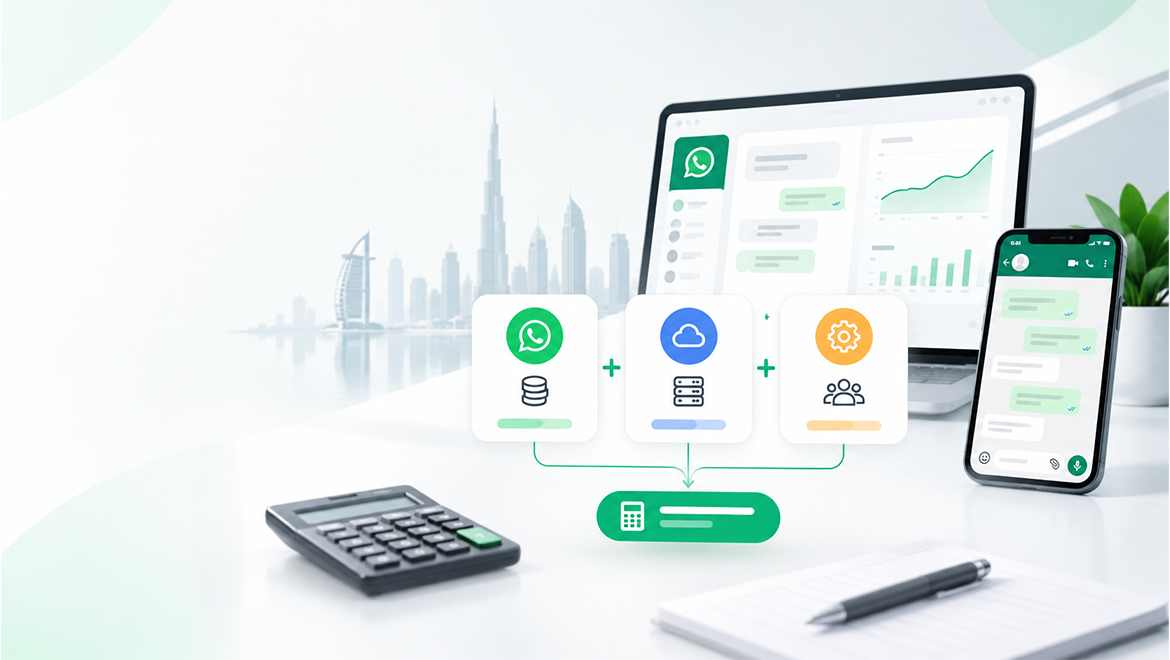
- Transparent pricing components.
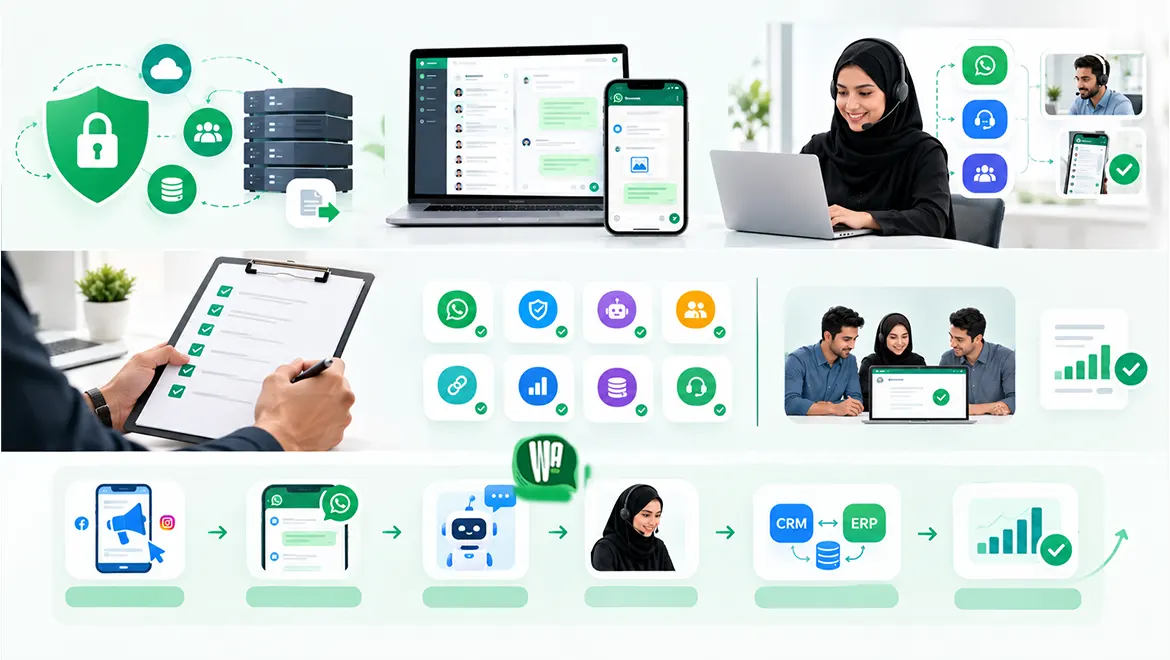
Run a live test using one representative customer journey. Include acquisition source, WhatsApp conversation, automation, human handover, connected-system update and the final business outcome. A real end-to-end test exposes gaps that a product demonstration often hides.